How to Maintain Your Concrete Driveway and Extend Its Lifespan
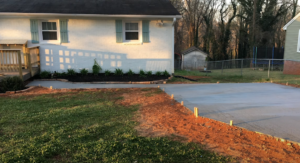
Concrete driveways are a practical and attractive choice for many homeowners. They offer durability, affordability, and excellent curb appeal. However, like any surface, they need proper care to remain in good condition over time. Regular maintenance helps prevent cracks, stains, and damage, ensuring your concrete driveway lasts for years.
Cleaning Your Concrete Driveway
Keeping your driveway clean is the first step to maintaining it. Dirt, oil, and other debris can accumulate on the surface, leading to stains and weakening the concrete. Sweeping the driveway regularly removes loose debris and prevents buildup. Use a mild detergent or a cleaner designed specifically for stubborn stains on concrete surfaces.
Pressure washing is an effective method of cleaning your driveway thoroughly. Using a pressure washer on a low setting helps remove deep-seated dirt without damaging the concrete. Avoid high-pressure settings that might scratch or weaken the surface.
Sealing Your Concrete Driveway
Sealing your driveway protects it from water, stains, and environmental wear. A concrete sealer creates a barrier that prevents moisture from penetrating the surface, which is especially important in areas with freezing temperatures.
How to Apply Sealant
- Remove debris: Sweep or use a leaf blower to clear the driveway of dirt, leaves, and loose stones.
- Clean stains: Use a concrete cleaner or mild detergent to remove stains like oil or grease.
- Pressure wash: For deep cleaning, use a pressure washer on a low setting to thoroughly clean the surface.
- Allow drying: Wait for the driveway to dry completely (usually 24–48 hours) before applying sealant.
Choosing the right type of sealer for your climate is essential to ensuring the longevity of your concrete driveway. In wet climates, it’s best to opt for a penetrating sealer, which offers water resistance and helps protect the surface from moisture damage.
A topical sealer is better for dry climates as it provides UV protection, preventing the concrete from cracking and fading under the sun. In cold climates, you’ll need a sealer that can withstand freeze-thaw cycles, helping to prevent water penetration that could lead to cracks and other damage caused by freezing temperatures.
Preventing Cracks and Damage
Cracks in the concrete can develop over time due to factors like heavy loads, temperature fluctuations, and poor drainage. Limiting heavy vehicle use on the driveway can help prevent stress cracks. For small cracks that appear, act quickly to repair them with a concrete filler or patching compound. Early repairs stop cracks from spreading and causing more serious damage.
Proper drainage is essential for protecting your driveway. Water pooling on or around the edges of the concrete can weaken its structure. Inspect the surrounding area to ensure water is directed away from the driveway.
Seasonal Driveway Care Best Practices
Winter Care
Avoid using de-icing salts during winter, as they can cause the concrete to deteriorate. Instead, use sand for traction on icy surfaces. Shoveling snow carefully is another important practice; use a plastic shovel to avoid scratching the concrete.
Summer Care
In summer, high heat can lead to cracking if the surface isn’t protected. Applying a UV-resistant sealer helps guard against damage caused by sun exposure. Regular inspections during extreme weather seasons can catch potential problems early.
Long-Term Maintenance Tips
Inspecting your driveway regularly is a key part of keeping it in top condition. To prevent issues from escalating, consider these steps:
- Look for early signs of wear
- Address issues promptly
- Clean and seal the surface regularly
- Protect against potential damage
Concrete is durable, but proper care greatly affects its longevity. Without regular attention, small cracks can turn into large ones, and stains can penetrate deeply, affecting the driveway’s overall look and performance. Simple maintenance practices like cleaning, sealing, and inspecting help avoid costly concrete repairs and replacements.
Conclusion
Maintaining your driveway doesn’t have to be complicated. Regular cleaning, sealing, and quick repairs can keep it looking its best and functioning well for years. A little effort today ensures your driveway stays in top condition, adding value and curb appeal to your home. If you find yourself searching for “concrete driveway companies near me” make sure you find a reputable contractor in your area. Read reviews on multiple sites such as Yelp and Facebook. At the end of the day, proper care helps extend the life of your concrete driveway, making it a long-lasting investment for your property.
Pool Looking Rough? May Be Time For a Pool Makeover

A swimming pool is more than just a backyard feature; it’s a hub for relaxation, family gatherings, and summer fun. However, like any home investment, pools don’t last forever. Over time, you may notice signs of wear and tear, such as cracks, discoloration, or rough textures on the pool’s surface. These issues not only affect your pool’s appearance but can also compromise its structural integrity and functionality.
If your pool is showing its age, it’s time to consider options like pool replastering or resurfacing. Here’s a comprehensive guide on what these services entail, when they’re needed, and what you can expect to pay.
Signs Your Pool Needs Attention
Pools are exposed to constant stress from water pressure, chemicals, and the elements. Common signs that your pool needs professional attention include:
- Cracks or Chips: Visible cracks in the plaster or tiles can worsen over time, leading to leaks or further structural damage.
- Discoloration: Stains or fading on the pool’s surface are often due to algae, chemical imbalances, or natural wear.
- Rough Texture: A smooth pool surface is essential for comfort and safety. If the plaster feels rough or sharp, it’s time for repairs.
- Water Loss: Unexplained drops in water levels might indicate leaks, often stemming from structural issues.
- Outdated Aesthetics: If your pool looks outdated or no longer fits your style, resurfacing is a great way to refresh its appearance.
What is Pool Replastering?
Pool replastering is the process of applying a new layer of plaster over the interior surface of your pool. This is often necessary when the existing plaster has become rough, cracked, or stained.
The Process:
- Drain the pool to expose the surface.
- Remove the damaged plaster and prepare the surface.
- Apply a new layer of plaster, which may be traditional white plaster or an upgraded material like quartz or pebble aggregate.
- Refill the pool and balance the chemicals.
Replastering not only restores your pool’s appearance but also extends its lifespan by creating a watertight seal.
What is Pool Resurfacing?
Pool resurfacing encompasses a broader range of updates. While replastering focuses on the interior surface, resurfacing may include repairing tiles, replacing coping, or upgrading the entire pool’s finish. It’s an excellent option if you want a complete overhaul or need to address multiple issues at once.
Popular Pool Finishes:
- Plaster: A classic and budget-friendly option.
- Aggregate: Includes materials like quartz or pebbles for a textured, high-end look.
- Tile: Offers durability and a customizable aesthetic.
- Fiberglass: Known for its smooth surface and low maintenance.
Cost Expectations
The cost of replastering or resurfacing depends on factors such as the size of your pool, the materials chosen, and the extent of repairs required.
Pool Replastering Costs
- Basic Plaster: $4,000 to $7,000 for a standard-sized pool.
- Premium Materials (Quartz or Pebble): $8,000 to $15,000 or more.
Pool Resurfacing Costs
- Plaster Resurfacing: $5,000 to $10,000.
- Aggregate or Tile Finishes: $10,000 to $20,000+.
- Comprehensive Resurfacing (including coping and tile replacement): $15,000 to $30,000 or more.
Keep in mind that labor costs and regional pricing can significantly impact these estimates. Always obtain multiple quotes from reputable contractors to ensure you’re getting the best value.
Choosing the Right Option for Your Pool
When deciding between replastering and resurfacing, consider the condition of your pool, your budget, and your aesthetic preferences. If the surface is the main issue, replastering might suffice. However, if you’re dealing with outdated designs or widespread damage, resurfacing is a better investment.
Maintaining Your Pool After Repairs
After investing in replastering or resurfacing, proper maintenance is crucial to prolonging the life of your pool’s new surface. Follow these tips:
- Monitor Water Chemistry: Maintain balanced pH, chlorine, and alkalinity levels to prevent staining and corrosion.
- Regular Cleaning: Vacuum, brush, and skim your pool weekly to remove debris and algae.
- Schedule Professional Inspections: Periodic inspections can catch small issues before they escalate.
Conclusion
A well-maintained pool not only enhances your property’s value but also ensures years of enjoyment. If your pool is showing signs of age, addressing the problem early with services like pool replastering or resurfacing can save you from more extensive and expensive repairs down the line. Whether you choose a simple plaster upgrade or a complete resurfacing project, your pool will look and function like new again.
For personalized advice and expert service, contact a trusted pool repair specialist in your area. With professional help, you’ll be back to swimming in a stunning, refreshed pool in no time.
Selling Points: Artificial Turf Can Be a Great Investment

As homeowners seek out ways to enhance their outdoor spaces, artificial turf has emerged as a popular alternative to traditional lawns. For those considering artificial turf, the financial aspect often plays a significant role in the decision-making process. While artificial grass does offer several advantages, it also comes with initial costs and maintenance considerations. So, is artificial turf a good investment for homeowners? Let’s explore the pros and cons to help you decide.
The Financial Pros of Installing Artificial Turf
1. Long-Term Savings on Water Bills
One of the major financial benefits of artificial turf is the potential for water savings. Maintaining a natural lawn requires a significant amount of water, especially in drier climates. Artificial turf, on the other hand, eliminates the need for watering altogether. This can lead to substantial savings on water bills, especially in regions with high water costs or during periods of drought when water restrictions may be in place. Over time, these savings can help offset the initial installation costs of the turf.
2. Reduced Lawn Maintenance Costs
Traditional grass requires regular mowing, fertilizing, and weed control to keep it looking its best. Hiring a lawn care service for these tasks can add up, costing homeowners hundreds of dollars annually. With artificial turf, most of these maintenance expenses are eliminated. While some minor upkeep is required to keep turf looking pristine, such as brushing or rinsing to remove debris, the overall maintenance costs are much lower than for a natural lawn. This reduced upkeep is a significant financial advantage, particularly for busy homeowners or those who would otherwise pay for professional lawn care services.
3. Increased Property Value
For potential buyers, a low-maintenance, visually appealing lawn can be a strong selling point. Artificial turf can give a home a well-kept, lush look year-round, even during seasons when grass might go dormant or appear less vibrant. In some cases, this curb appeal can increase the property’s overall value or attract a wider range of buyers, especially those who may prefer the convenience and appearance of a maintenance-free lawn.
4. Longevity and Durability
Artificial turf is designed to be durable and long-lasting, with most installations expected to last 15–20 years with proper care. The longevity of artificial grass means homeowners can spread the initial investment over a long period. Since the turf remains attractive and usable over many years, it can offer financial benefits over time compared to replacing or renovating natural grass periodically.
The Financial Cons of Installing Artificial Turf
1. High Initial Installation Costs
One of the primary drawbacks of artificial turf is the high upfront cost. Depending on the size of the area, the type of turf selected, and the installation method, artificial turf can cost significantly more than planting natural grass or reseeding a lawn. For homeowners on a tight budget, the initial cost can be a barrier, making artificial turf a less accessible option.
2. Potential for Repairs
While artificial turf is generally durable, it can be damaged by pets, sharp objects, or heavy furniture, necessitating occasional repairs. Patching small areas may not be costly, but extensive repairs or partial replacement can be expensive. Moreover, some warranties may only cover certain types of damage, which could leave homeowners with unexpected repair costs.
3. Limited Return on Investment (ROI) in Certain Markets
In some areas, especially those where natural grass is easy and inexpensive to maintain, artificial turf may not offer a significant financial advantage. Buyers in such regions might not place as much value on artificial turf, potentially reducing the return on investment when it comes to resale value. It’s important to consider the local climate and buyer preferences when evaluating the ROI of artificial turf for a particular property.
4. Environmental Considerations
Although artificial turf saves water, it’s not entirely maintenance-free. It may require occasional cleaning and deodorizing, especially in areas with pets. Additionally, artificial turf is made from synthetic materials, which may eventually need replacement. Homeowners who prioritize sustainability might consider the long-term environmental impact, especially since turf materials are not biodegradable and may need to be replaced every couple of decades.
Conclusion: Is Artificial Turf Worth It?
Artificial turf installation can be a wise investment for homeowners who value long-term water savings, reduced maintenance, and year-round aesthetic appeal. While the initial installation costs can be high, the long-term savings and potential boost to property value can make it a sound financial choice, especially in areas with water restrictions or high maintenance costs. However, homeowners should weigh the initial expense and consider local market preferences and environmental factors to determine if artificial turf aligns with their budget and lifestyle.
The Best Time of Year for Residential Foundation Repairs
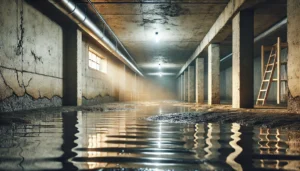
Foundation repairs are essential for maintaining the structural integrity of your home, and while many homeowners know they are necessary, they often wonder when is the best time to schedule these repairs. Seasons have a significant impact on soil and weather conditions, both of which play a crucial role in foundation work. In this article, we’ll discuss the advantages and drawbacks of each season for foundation repairs, and which times might be most suitable depending on your circumstances.
Why Timing Matters in Foundation Repairs
Foundation issues can arise from soil expansion, contraction, water saturation, or drought. Seasonal changes impact soil stability, affecting both the need for and effectiveness of foundation repairs. By selecting the optimal time, you can ensure your repairs are efficient, cost-effective, and long-lasting.
Spring: Ideal for Addressing Winter Damage
Advantages
- Seasonal Shifts: Spring is when the soil begins to thaw after winter and can reveal cracks or shifts that occurred due to freezing and contracting.
- Improved Drainage: Spring rains may reveal drainage issues, allowing homeowners to address water-related foundation concerns before they worsen.
Challenges
- Rainy Conditions: Heavy spring rains can saturate the soil, making it too soft for effective repair work in some cases. Excess water in the soil around your foundation can delay work, as contractors may need to wait for dryer conditions.
- Potential for Delays: Spring is a popular time for many home improvement projects, so you may encounter longer wait times if your area experiences high demand for foundation repair services.
Conclusion
Spring is generally a good time for foundation repairs, especially if you want to address any structural issues that arose over winter. However, be prepared to accommodate weather delays if heavy rains are common in your area.
Summer: A Popular Choice for Foundation Repairs
Advantages
- Dry Conditions: Summer’s warmer and drier weather allows contractors to work efficiently without delays from rain or moisture. The soil is usually more stable, making it easier to perform reliable foundation work.
- Longer Days: The extended daylight in summer allows crews to work longer hours, which can speed up project completion.
Challenges
- Heat and Drought: Excessive heat and drought can cause soil to dry and shrink, leading to foundation shifting and potentially more damage. This shrinkage is often noticeable in areas with clay soil, as it contracts significantly when dry. However, it can also mean that underlying issues become visible, making it easier to pinpoint problem areas.
- Increased Demand: Summer is the busiest season for contractors, so it can be more challenging to schedule a repair appointment. Costs may also be higher due to increased demand.
Conclusion
Summer is a suitable time for foundation repairs, especially in areas with stable, well-drained soil. However, if you live in an area prone to drought, keep in mind that foundation issues could develop during this time as well.
Fall: A Favorable Season for Foundation Work
Advantages
- Ideal Soil Moisture: Fall often provides the perfect balance of soil moisture—not too dry and not too wet. This makes it easier to work on the foundation, as the soil remains stable, creating a solid environment for repairs.
- Mild Weather: Fall’s cooler temperatures make it a comfortable season for outdoor work. It’s also less likely to experience the intense demand that comes with spring and summer, potentially reducing wait times and costs.
Challenges
- Winter Approaching: Fall is ideal for foundation work, but the window of opportunity can be limited in areas that experience early winters. If you wait until late in the season, you might encounter weather-related delays or the need to push the project into winter.
Conclusion
For many homeowners, fall is an ideal time for foundation repairs. The soil moisture levels and mild weather make it an optimal time to address foundation issues before winter.
Winter: Possible, But Often Avoided
Advantages
- Immediate Attention: Winter can be a quieter time for contractors, meaning you may be able to schedule repairs faster and at lower rates due to decreased demand.
- Minimal Impact on Landscaping: Since many plants are dormant, contractors can access foundation areas with minimal disruption to landscaping.
Challenges
- Frozen Soil: Cold temperatures cause soil to freeze and become difficult to work with, especially in areas with harsh winters. Frozen soil hinders excavation and can damage foundation repair equipment, making winter repairs less feasible.
- Weather Delays: Snow, ice, and frigid temperatures can delay foundation work or reduce its quality. Extreme cold affects materials and may slow the curing process of concrete or other substances used in repairs.
Conclusion
Winter is generally the least favorable time for foundation repairs due to challenging soil conditions and unpredictable weather. However, in milder climates or for emergency repairs, winter repairs may still be possible.
Final Thoughts: Choosing the Best Time for Your Foundation Repairs
Overall, fall is often the most favorable season for foundation repairs, providing a balance of mild weather and stable soil conditions. Spring is a good choice if you need to address damage from winter, though you might encounter rainy delays. Summer works well for areas with dry, stable soil but may not be ideal in drought-prone locations. Winter should be avoided in most cases unless you have a pressing emergency or live in a mild climate. If you are still not sure, call a reputable, local foundation repair company.
By timing your foundation repairs to coincide with optimal weather and soil conditions, you can ensure a successful, lasting solution for your home.
Marketing Your Tree Service Company in the Fall: Tips for Attracting More Customers and Building Recurring Clients
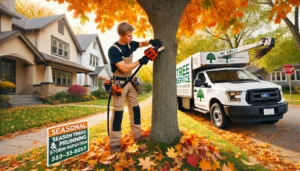
As the fall season rolls in, tree service companies have a unique opportunity to attract new customers and retain existing ones. Homeowners and businesses alike recognize that fall tree care is essential for preparing landscapes for winter and maintaining healthy trees year-round. With targeted marketing strategies, you can position your tree service company as the go-to provider for seasonal tree maintenance, building both one-time sales and long-term relationships with clients. Here’s how to effectively market your tree service company this fall to attract more customers and create a loyal client base.
1. Highlight Seasonal Services in Your Marketing
Fall is the ideal time to promote services that are specifically relevant to the season, such as pruning, mulching, and preparing trees for winter. By focusing on these services in your advertising, you tap into immediate needs that homeowners are more likely to act on during this time of year. Some effective ways to showcase seasonal services include:
- Social Media Posts: Share tips on fall tree care, common risks of unprepared trees in winter, and benefits of professional maintenance. Visual content like before-and-after photos or infographics can catch attention and increase engagement.
- Email Campaigns: Send newsletters to your existing client list with a reminder of why fall tree care is essential, offering a seasonal discount to encourage them to book now.
- Website Updates: Feature fall-specific services prominently on your homepage. Include seasonal offers to create a sense of urgency for visitors to schedule services.
2. Offer Fall Discounts or Bundle Services
A compelling discount or bundled package can drive new clients to schedule multiple services or consider regular maintenance plans. Offering fall-only discounts on essential services like pruning, mulching, or stump grinding can attract budget-conscious clients who value savings.
Additionally, create bundled service packages that address various fall maintenance needs at a slight discount. For instance, a “Fall Tree Care Package” could include pruning, mulching, and a post-storm inspection, positioning it as a comprehensive solution for fall preparation.
3. Educate Your Audience on the Importance of Fall Tree Care
Many homeowners may not fully understand the importance of fall maintenance for tree health. By providing educational content that explains why fall is a critical time for tree care, you can establish yourself as an expert and trusted advisor. Use your online platforms to publish articles, guides, and videos covering topics such as:
- The dangers of weak branches during winter storms and how pruning helps prevent damage
- How mulching insulates tree roots and preserves moisture
- The benefits of tree wrapping and guard installation for young or sensitive trees
Positioning yourself as an expert encourages potential clients to choose your services over competitors and can increase the likelihood of returning clients who value professional knowledge.
4. Encourage Recurring Service Plans
Recurring service plans create predictable revenue streams and build long-term relationships with customers. Fall is an excellent time to introduce annual service packages that include seasonal maintenance throughout the year. Highlight the convenience of a year-round maintenance plan, emphasizing that customers can enjoy peace of mind knowing their trees are cared for during each season.
Consider offering discounts or added incentives, like a free inspection, to clients who sign up for annual plans. Customers who appreciate the quality of your fall service are more likely to commit to a plan that provides ongoing care.
5. Leverage Local Advertising
As a tree service company, your customer base is likely limited to a specific geographic area. Local advertising can be particularly effective in reaching nearby homeowners and businesses. Options for localized advertising include:
- Google Business Profile: Make sure your Google Business Profile is optimized with up-to-date contact information, service descriptions, seasonal offers, and reviews. This increases your visibility in local searches when customers look for tree services in your area.
- Yard Signs: Place yard signs near your recent job sites with permission, especially in neighborhoods where other homeowners may have similar tree care needs.
- Local Partnerships: Partner with other local businesses like landscapers, nurseries, or garden centers for referrals. Collaborating with companies that have a similar customer base can increase your reach and credibility.
6. Ask for Reviews and Referrals
Positive reviews and word-of-mouth referrals are incredibly powerful in the tree care industry. After completing a service, encourage satisfied customers to leave a review on platforms like Google, Yelp, or your Facebook page. Offering a small discount on their next service or entry into a giveaway can motivate clients to take action.
Additionally, create a referral program where existing clients can earn discounts for referring friends or neighbors. Not only does this bring in new clients, but it also rewards loyalty among your current customer base.
7. Share Success Stories and Testimonials
Showcasing your success stories and customer testimonials can build trust with potential clients. Share case studies or before-and-after photos on your website, blog, and social media, along with quotes from satisfied customers. Highlight how your services improved a tree’s health or transformed a property, using real examples to demonstrate your expertise and professionalism. Possibly post some photos of trees that recently benefited from your tree trimming service
Final Thoughts
By taking advantage of fall-specific marketing strategies, you can effectively position your tree service company as the leading choice for seasonal tree care in your area. Educating customers on the importance of fall maintenance, offering seasonal discounts, and promoting recurring service plans can help you gain new clients while building loyalty with existing ones. With a thoughtful marketing approach, you can make this fall your busiest season yet, setting the stage for year-round success.
Maximize Your Sales: Proven Methods for Small Businesses to Connect with Homeowners
As a small business owner, finding ways to connect with homeowners is crucial for increasing sales and growing your brand. Homeowners often seek services and products that can improve their living spaces, and if you can effectively reach and resonate with them, you’ll see a boost in your sales figures. Here are some proven methods to help you build a strong connection with homeowners and maximize your sales.
1. Understand Your Audience
The first step in connecting with homeowners is understanding their needs and preferences. Every homeowner is different, and their priorities may vary based on factors like family size, location, and lifestyle. Spend time researching your target audience to gain insights into what they value most. Consider conducting surveys or using social media polls to gather feedback. This information will help you tailor your marketing strategies to meet their specific needs.
2. Leverage Local SEO
Many homeowners turn to the internet when searching for local services. This is where local SEO (Search Engine Optimization) comes into play. By optimizing your website and online content for local searches, you can increase your visibility and attract more customers. Start by claiming your Google My Business listing and ensuring your information is up to date. Use relevant keywords related to your business and location throughout your website and blog posts. This will help homeowners find you when they search for services in their area.

3. Create Engaging Content
Content marketing is an effective way to connect with homeowners. By creating engaging and informative content, you can establish your authority in your industry and build trust with your audience. Consider starting a blog where you share tips, DIY projects, and insights related to home improvement. Videos and tutorials are also great ways to demonstrate your expertise. When homeowners find value in your content, they are more likely to remember you when they need your services.
4. Utilize Social Media
Social media platforms are powerful tools for connecting with homeowners. Use platforms like Facebook, Instagram, and Pinterest to showcase your work and engage with your audience. Share before-and-after photos of projects, customer testimonials, and helpful tips. Regularly interact with your followers by responding to comments and messages promptly. Building a community around your brand can foster loyalty and encourage word-of-mouth referrals.
5. Offer Promotions and Incentives
Homeowners love a good deal, so consider offering promotions or incentives to attract new customers. You could run limited-time discounts, referral programs, or seasonal sales. Make sure to promote these offers on your website and social media channels. Promotions not only help you gain new customers but also encourage repeat business from existing ones.
6. Network with Other Local Businesses
Collaborating with other local businesses can be an excellent way to connect with homeowners. Consider partnering with real estate agents, home improvement stores, or local contractors. These businesses often have access to homeowners looking for services like yours. By forming partnerships, you can cross-promote each other’s services and tap into new customer bases.
7. Attend Local Events
Getting involved in your community can significantly increase your visibility among homeowners. Participate in local events such as home shows, farmers’ markets, or community fairs. Set up a booth to showcase your products or services, and don’t forget to bring promotional materials like business cards or flyers. Engaging with potential customers face-to-face allows you to build relationships and leave a lasting impression.

8. Follow Up with Customers
Once you’ve made a sale, don’t forget about your customers. Following up after a service or purchase shows that you care about their experience. You can send a simple thank-you email or request feedback on your services. This not only helps you improve but also keeps your business fresh in their minds, making them more likely to refer you to others or return for future needs.
Conclusion
Connecting with homeowners is essential for small businesses looking to maximize sales. By understanding your audience, utilizing local SEO, creating engaging content, leveraging social media, offering promotions, networking with local businesses, attending community events, and following up with customers, you can build lasting relationships that drive sales and grow your business. Implement these proven methods, and watch your connection with homeowners flourish!