Pool Looking Rough? May Be Time For a Pool Makeover
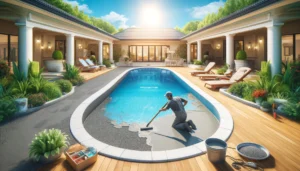
A swimming pool is more than just a backyard feature; it’s a hub for relaxation, family gatherings, and summer fun. However, like any home investment, pools don’t last forever. Over time, you may notice signs of wear and tear, such as cracks, discoloration, or rough textures on the pool’s surface. These issues not only affect your pool’s appearance but can also compromise its structural integrity and functionality.
If your pool is showing its age, it’s time to consider options like pool replastering or resurfacing. Here’s a comprehensive guide on what these services entail, when they’re needed, and what you can expect to pay.
Signs Your Pool Needs Attention
Pools are exposed to constant stress from water pressure, chemicals, and the elements. Common signs that your pool needs professional attention include:
- Cracks or Chips: Visible cracks in the plaster or tiles can worsen over time, leading to leaks or further structural damage.
- Discoloration: Stains or fading on the pool’s surface are often due to algae, chemical imbalances, or natural wear.
- Rough Texture: A smooth pool surface is essential for comfort and safety. If the plaster feels rough or sharp, it’s time for repairs.
- Water Loss: Unexplained drops in water levels might indicate leaks, often stemming from structural issues.
- Outdated Aesthetics: If your pool looks outdated or no longer fits your style, resurfacing is a great way to refresh its appearance.
What is Pool Replastering?
Pool replastering is the process of applying a new layer of plaster over the interior surface of your pool. This is often necessary when the existing plaster has become rough, cracked, or stained.
The Process:
- Drain the pool to expose the surface.
- Remove the damaged plaster and prepare the surface.
- Apply a new layer of plaster, which may be traditional white plaster or an upgraded material like quartz or pebble aggregate.
- Refill the pool and balance the chemicals.
Replastering not only restores your pool’s appearance but also extends its lifespan by creating a watertight seal.
What is Pool Resurfacing?
Pool resurfacing encompasses a broader range of updates. While replastering focuses on the interior surface, resurfacing may include repairing tiles, replacing coping, or upgrading the entire pool’s finish. It’s an excellent option if you want a complete overhaul or need to address multiple issues at once.
Popular Pool Finishes:
- Plaster: A classic and budget-friendly option.
- Aggregate: Includes materials like quartz or pebbles for a textured, high-end look.
- Tile: Offers durability and a customizable aesthetic.
- Fiberglass: Known for its smooth surface and low maintenance.
Cost Expectations
The cost of replastering or resurfacing depends on factors such as the size of your pool, the materials chosen, and the extent of repairs required.
Pool Replastering Costs
- Basic Plaster: $4,000 to $7,000 for a standard-sized pool.
- Premium Materials (Quartz or Pebble): $8,000 to $15,000 or more.
Pool Resurfacing Costs
- Plaster Resurfacing: $5,000 to $10,000.
- Aggregate or Tile Finishes: $10,000 to $20,000+.
- Comprehensive Resurfacing (including coping and tile replacement): $15,000 to $30,000 or more.
Keep in mind that labor costs and regional pricing can significantly impact these estimates. Always obtain multiple quotes from reputable contractors to ensure you’re getting the best value.
Choosing the Right Option for Your Pool
When deciding between replastering and resurfacing, consider the condition of your pool, your budget, and your aesthetic preferences. If the surface is the main issue, replastering might suffice. However, if you’re dealing with outdated designs or widespread damage, resurfacing is a better investment.
Maintaining Your Pool After Repairs
After investing in replastering or resurfacing, proper maintenance is crucial to prolonging the life of your pool’s new surface. Follow these tips:
- Monitor Water Chemistry: Maintain balanced pH, chlorine, and alkalinity levels to prevent staining and corrosion.
- Regular Cleaning: Vacuum, brush, and skim your pool weekly to remove debris and algae.
- Schedule Professional Inspections: Periodic inspections can catch small issues before they escalate.
Conclusion
A well-maintained pool not only enhances your property’s value but also ensures years of enjoyment. If your pool is showing signs of age, addressing the problem early with services like pool replastering or resurfacing can save you from more extensive and expensive repairs down the line. Whether you choose a simple plaster upgrade or a complete resurfacing project, your pool will look and function like new again.
For personalized advice and expert service, contact a trusted pool repair specialist in your area. With professional help, you’ll be back to swimming in a stunning, refreshed pool in no time.
Comments are Closed